tumblrroom (dystopia and its content(ment)s)





In his seminal (1929) book, Civilization and its Discontents, Sigmund Freud enumerates what he sees as the fundamental tensions between civilization and the individual. The primary friction, he asserts, stems from the individual's quest for instinctual freedom and civilization's contrary demand for conformity.
The proliferation and currency of information in today’s global world has, on the one side enabled certain individual access and plurality of expression, yet on the other side it has produced shared identities, homogeneity, broad conformity, or essentially, a dystopian logic of authority. In this new logic the flow of information is heralded as utopian in and of itself, and its conforming and authoritarian force that controls desire, consumption, and mobility becomes invisible.
Through three individual perspectives, Dystopia and its Content(ment)s imagines our techno-social, image-orientated reality as dystopian and yet posits instances of personal contentment within it.
EXHIBITION
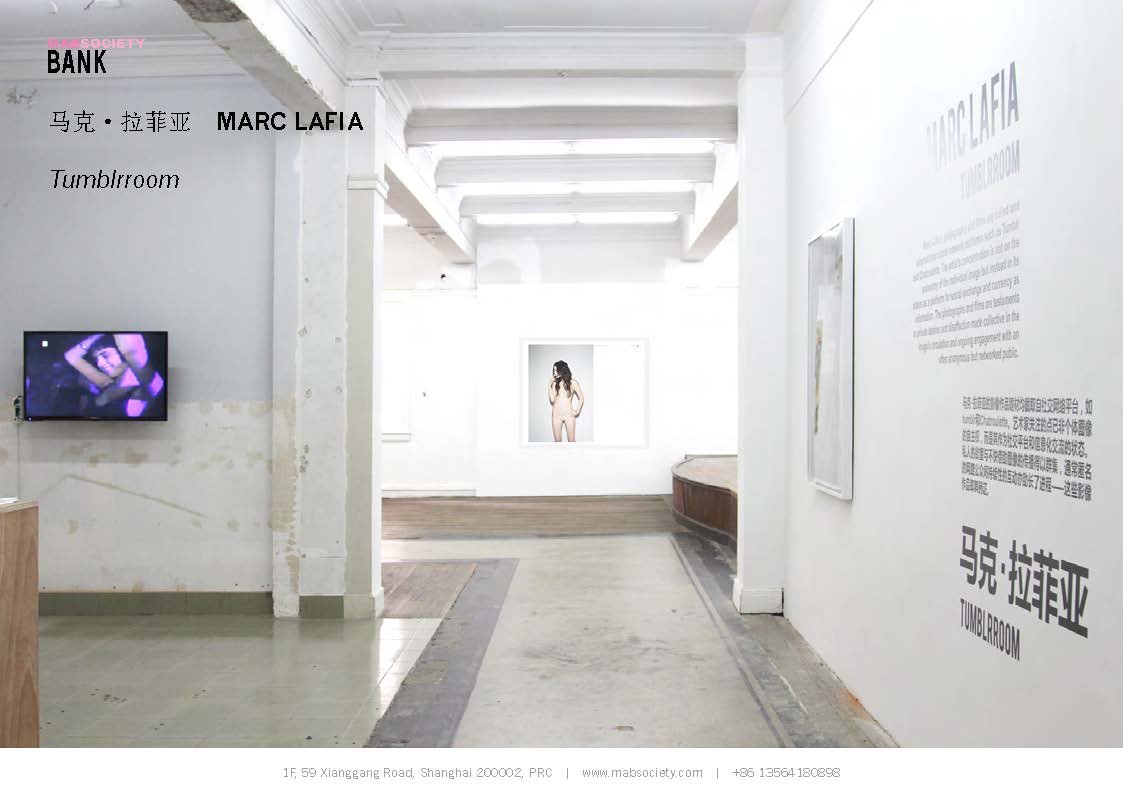
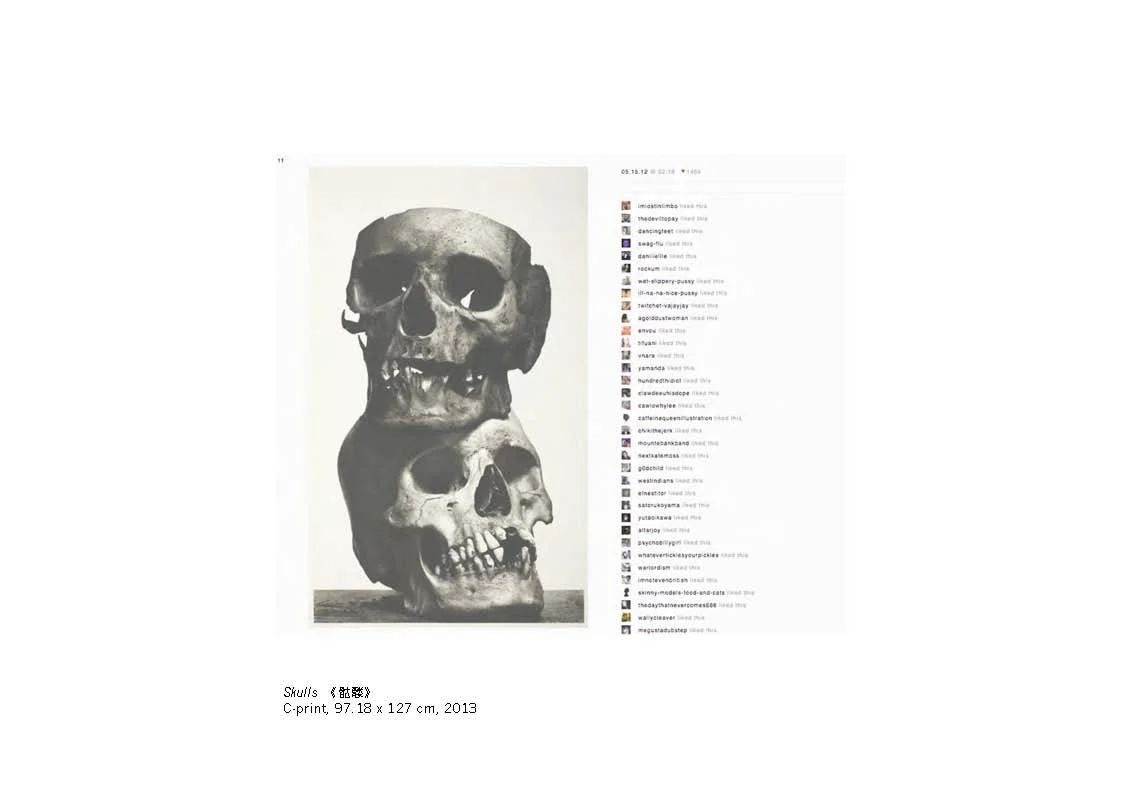
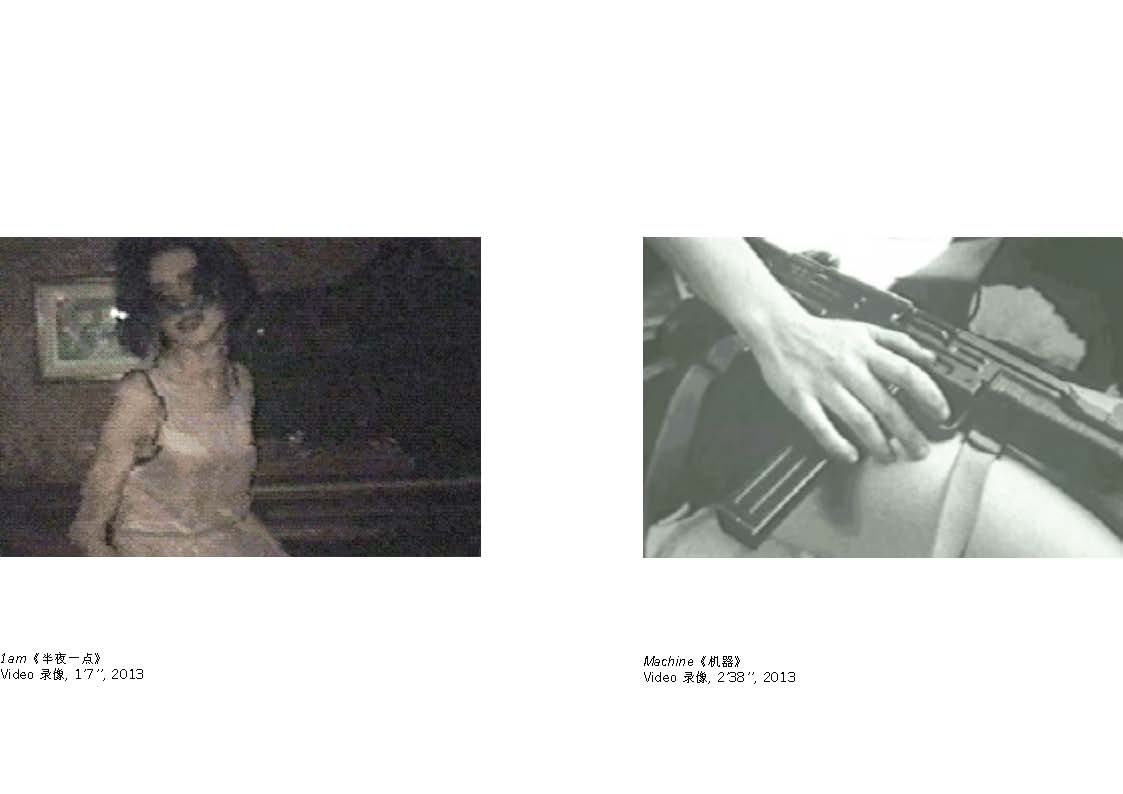
Tumblrroom Marc Lafia's photography and films are culled and adapted from social network platforms such as Tumblr and Chatroulette. The artist's concentration is not on the autonomy of the individual image but instead on its status as a platform for social exchange and currency as information. The photographs and films are testaments to private desires and disaffection made collective in the image's circulation and ongoing engagement with an often anonymous but networked public.
The Tumblrroom investigates how individuals construct personal yet public archives through digital platforms, where images, texts, and references circulate continuously across networks. Lafia treats these collections not as static repositories but as dynamic systems of exchange—sites where images accrue meaning through likes, comments, reposts, and annotations. In this space, images are no longer isolated aesthetic objects but active participants in a social economy, producing bonds, projections, and shared emotional registers shaped by desire, loneliness, and connection.
Rather than stripping images of context, Lafia foregrounds their embeddedness within software systems and metadata structures, making visible the layers of discourse that surround them. By re-presenting these networked images—sometimes enlarging and relocating them into physical space—he transforms the everyday flow of online content into a “near-documentary” form, where authorship, authenticity, and meaning remain fluid. The result is an exploration of image culture as a continuous, decentralized circulation, where identity and sociality emerge through the endless exchange and reinterpretation of images.